


PTSD and Addiction: Uncovering the Hidden Connection
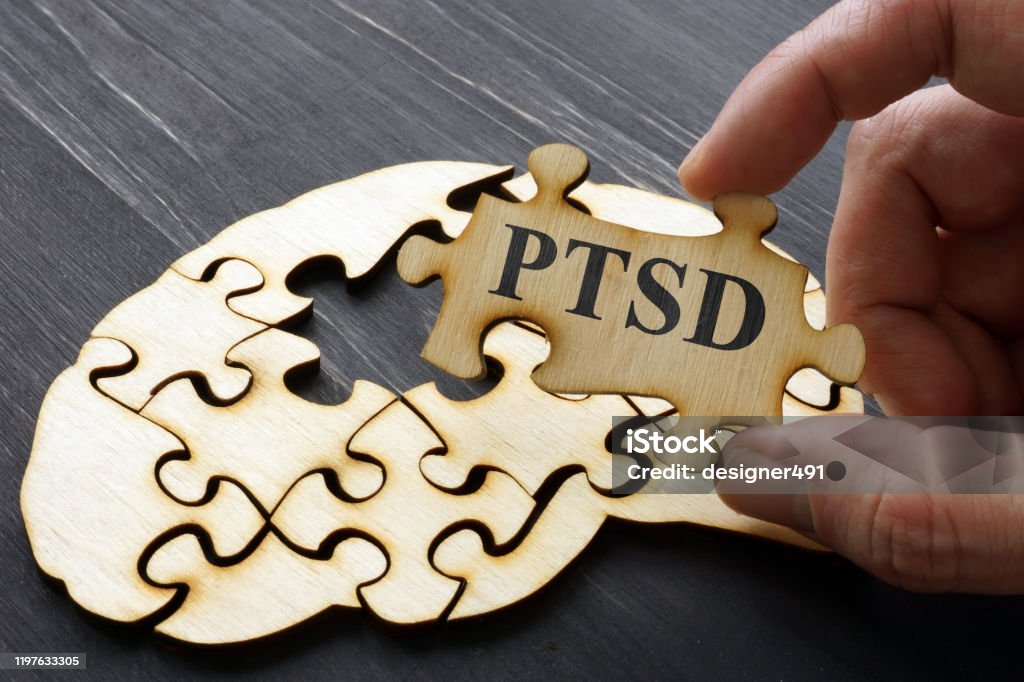
Post-Traumatic Stress Disorder (PTSD) and addiction are two complex issues that can significantly affect an individual’s life. Understanding how these conditions interrelate is essential for effective treatment and recovery. In this article, we will explore the nature of PTSD, its connection to addiction, the challenges presented by dual diagnosis, and various pathways to recovery.
What is Post Traumatic Stress Disorder?
Post Traumatic Stress Disorder is a mental health condition that can develop after an individual experiences or witnesses a traumatic event. This condition is characterized by a variety of psychological symptoms and physical reactions, often with long-lasting effects.
People with PTSD may relive their trauma through flashbacks or nightmares, experience severe anxiety, and have difficulty connecting with others. Understanding the intricacies of PTSD is vital for addressing its links to addiction. The stigma surrounding mental health often prevents individuals from seeking help, leading to a cycle of suffering that can exacerbate symptoms and hinder recovery. It is essential to foster an environment where open discussions about mental health are encouraged, allowing those affected to seek the support they need without fear of judgment.
Common Causes and Symptoms of PTSD
PTSD can stem from various traumatic experiences, including combat, natural disasters, accidents, sexual assault, or the sudden loss of a loved one. While not everyone who experiences trauma develops PTSD, certain factors, such as personal history and coping mechanisms, can increase the risk.
The symptoms of PTSD can be categorized into four main areas:
- Re-experiencing the traumatic event
- Avoidance of reminders
- Negative changes in beliefs and feelings
- Increased arousal and reactivity.
Recognizing these symptoms is the first step toward seeking help and initiating recovery. Moreover, the impact of PTSD can extend beyond the individual, affecting relationships, work performance, and overall quality of life. Family members and friends may also experience secondary trauma, as they struggle to understand the changes in their loved ones. This ripple effect underscores the importance of comprehensive support systems and education about PTSD, which can empower both those affected and their support networks to navigate the complexities of healing together.
The Link Between PTSD and Addiction
The relationship between PTSD and addiction is complex, with many individuals using substances as a way to self-medicate their distress. Understanding this connection is crucial for developing comprehensive treatment plans that address both mental health and substance use issues simultaneously.
The Role of Trauma in Substance Abuse
For many individuals suffering from PTSD, the distress associated with traumatic memories can become overwhelming. As a result, they may turn to alcohol or drugs to alleviate their symptoms temporarily. This relationship can create a vicious cycle, where substance use becomes a coping mechanism, leading to increased dependence and worsening mental health. The temporary relief that substances provide often masks the underlying trauma, making it difficult for individuals to seek healthier coping strategies.
Research indicates that trauma significantly contributes to the likelihood of developing substance use disorders. The need to escape reality may drive individuals to substances that offer immediate relief but ultimately perpetuate their psychological suffering. Furthermore, the biological impact of trauma can alter brain chemistry, making individuals more susceptible to addiction. Neurotransmitters such as dopamine and serotonin, which are crucial for mood regulation, can be disrupted by both trauma and substance use, creating a challenging landscape for recovery.
The Dual Diagnosis: PTSD and Addiction
Receiving a dual diagnosis of PTSD and addiction presents unique challenges for both individuals and their treatment providers. Identifying the specific symptoms and needs of each condition is essential for recovery.
One of the significant challenges faced in treatment settings is accurately diagnosing co-occurring disorders. Many symptoms of PTSD can mimic those of addiction, leading to potential misdiagnosis.
For example, individuals may experience heightened anxiety or mood swings that can result from both conditions. This overlap complicates treatment models, as practitioners must address both issues concurrently for effective recovery.
Additionally, the stigma surrounding both PTSD and addiction can further complicate the diagnostic process. Individuals may feel reluctant to disclose their experiences or may not recognize their symptoms as indicative of a larger issue. This reluctance can lead to underreporting of symptoms and a lack of comprehensive assessment, ultimately hindering the development of an effective treatment plan. Furthermore, the interplay between trauma and substance use can create a vicious cycle, where the use of substances is employed as a coping mechanism for PTSD symptoms, thus exacerbating both conditions.
Pathways to Recovery: Treatment Options for PTSD and Addiction
Recovering from the dual challenges of PTSD and addiction is achievable through various evidence-based treatment methods. Exploring these treatment options can provide hope and guidance for individuals seeking recovery.
Trauma-Informed Care Approach
The trauma-informed care approach emphasizes understanding the impact of trauma on an individual’s life. It aims to create a safe and empathetic environment that recognizes the signs of trauma and integrates this awareness into treatment.
By fostering trust and transparency, practitioners can build strong therapeutic alliances with clients, encouraging them to engage in the healing process more openly. Trauma-informed care seeks to empower individuals, allowing them to share their experiences without judgment. This approach also involves training healthcare providers to recognize their own biases and to approach each client with compassion, ensuring that the treatment process is sensitive to the unique experiences of trauma survivors. As a result, clients often feel more validated and understood, which can significantly enhance their willingness to participate in their recovery journey.